
Campervan and Motorhome legal Speed Limits Explained
Share this guide
What are The Speed Limits for Campervans?
If you are new to the world of motorhomes and campervans, but your first campervan road trip is fast approaching, you may be asking your self what are the legal speed limits for campervans. If you own a manufacturing campervan take a Hobby manufactured motorhome for example, then it will be officially classified as a motorhome, and you can check the unladen weight and adhere to the speed guidance below.
When it comes to campervan conversions a Mazda Bongo for example it can get more than a little confusing, the best advice if unsure is to prioritise safety and stay within the lower speed limits. Do not drive too slow as to be a hazard, but drive at safe speed and remember to allow extra braking distance.
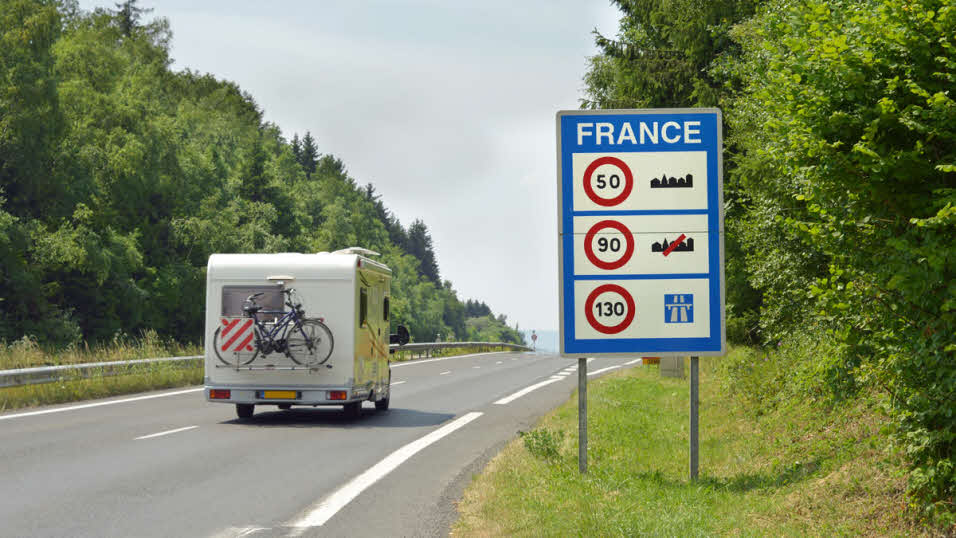
The guide below is correct as of 2023, but things do change and best to check direct with the government website for any changes.
In general, campervans or motorhomes fall into one of 2 categories, as below. The second category will have further restriction, but only for motorhomes that exceed 12 meters in length
Table of Contents
Campervan and Motorhome legal Speed Limits Explained
Jump ↓
What are The Speed Limits for Campervans?
Jump ↓
Campervans with an Unladen Weight that is Less than or equal to, 3050kg / 3.05 Tonnes
Jump ↓
Campervans with an Unladen Weight that is Greater than 3050kg / 3.05 Tonnes
Jump ↓
Campervans with an Unladen Weight that is Less than or equal to, 3050kg / 3.05 Tonnes
If your campervan or motorhome is below 3.05 tonnes when empty or doesn’t have more than 8 passenger seats, then the following limits will apply.
Campervans with an Unladen Weight that is Greater than 3050kg / 3.05 Tonnes
Can You Overtake On A Motorway When Driving A Motorhome?
If the vehicle weight is under 3.5 tonnes, you are permitted to drive in the outside lane of a motorway. If your motorhome is over 3.5 tonnes, then you are only permitted to drive in the outside lane if you have fitted a limiter. Motorhomes with trailers are prohibited from using the outside lanes of motorways.
What are The Speed Limits When Driving A Campervan In Europe?
For more information on speed limits in Europe, check out this comprehensive article by the Caravan Club
What Not To Do in a Moving Campervan
When a campervan or motorhome is on the road and moving, you can not treat it like a living area, and you must abide by the rules of the road. Once in motion all occupants must remain seated with seatbelts on, this will of course prevent you from doing any of the following.
Campervan Speed Limits Summary
When driving any vehicle, especially ones that take longer to bring to a halt, it is wise to put caution and safety first. Safe driving will reduce the likelihood of a road accident. This will also benefit you over the long term with savings on motorhome insurance NI resulting from having a good no claims history and being seen as less risk.